
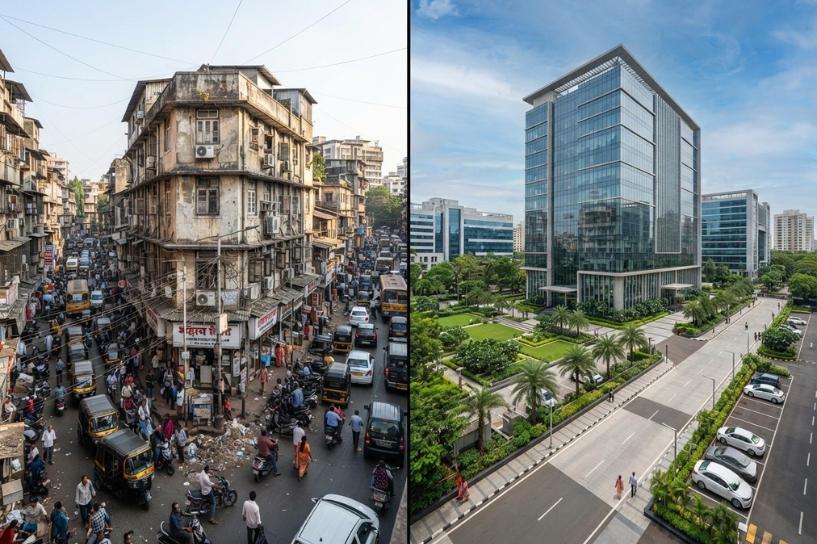
Finding a commercial office space is often treated as a financial decision based on rental value, carpet area and location. However, the actual cost of occupying an office goes far beyond the monthly rent. A property that appears affordable initially may create additional expenses, operational challenges and long-term commitments that affect business performance.
For companies planning expansion, relocation or a new office setup, choosing the wrong commercial property can become an expensive decision. Poor connectivity, inadequate infrastructure, unsuitable layouts and unfavourable lease conditions can increase operational costs and affect employee productivity.
This is why businesses need to look beyond the rental amount when evaluating commercial office space. Understanding the hidden costs of a property can help decision-makers make better leasing choices and identify spaces that offer long-term value.
1. The Location Cost: When a Cheap Office Becomes Expensive
One of the most common mistakes businesses make is selecting an office primarily because of its lower rental value. While an affordable property may seem financially attractive, its location can create expenses that are not immediately visible.
Consider an office located far from major transportation facilities or important business districts. Employees may spend more time and money commuting, while clients and business partners may find it inconvenient to visit.
Poor accessibility can also affect recruitment. Employees may prefer companies located in well-connected business areas, particularly when commuting becomes a daily challenge.
Businesses should evaluate:
- Distance from railway stations, metro routes and major roads.
- Accessibility for employees, clients and business partners.
- Availability of public transportation.
- Proximity to business hubs and essential amenities.
- Connectivity with residential areas.
For businesses operating in Mumbai and Navi Mumbai, selecting the right commercial location requires understanding the advantages of different business districts, including BKC, Nariman Point, Thane, Vashi, Seawoods and Turbhe.
A strategically selected location can offer greater convenience and support business operations beyond the immediate rental savings.
2. Infrastructure Expenses That Increase After Moving In
An office may look suitable during the initial property visit, but its actual infrastructure requirements become clearer once business operations begin.
Inadequate electrical systems, insufficient power backup, poor ventilation, outdated elevators, limited parking and unreliable building maintenance can create additional expenses.
Businesses may also need to invest in modifications to make the office suitable for their operations.
Some commonly overlooked infrastructure expenses include:
- Electrical upgrades and additional power connections.
- Air-conditioning installation or modifications.
- Internet and network infrastructure.
- Internal office partitions and layout changes.
- Fire safety and security requirements.
- Repairs and maintenance.
These expenses can significantly increase the overall cost of occupying a commercial property.
Before finalising an office, businesses should inspect the building infrastructure and understand which facilities are included in the lease arrangement. A detailed property evaluation can help identify potential expenses before they become operational problems.
3. Space Planning Mistakes and Underutilised Office Areas
The size of a commercial office is another important factor that influences occupancy costs.
Choosing a space that is too small can create overcrowding, limit team collaboration and require another relocation as the business grows. On the other hand, leasing a larger property than necessary can result in unnecessary rental and maintenance expenses.
The challenge is to identify a space that matches the company’s present requirements while allowing for reasonable future expansion.
Businesses should consider:
- Current employee strength and expected hiring.
- Seating arrangements and departmental requirements.
- Meeting rooms and conference facilities.
- Private cabins and management spaces.
- Common areas and employee facilities.
- Future expansion requirements.
An inefficient office layout can also result in wasted carpet area. Therefore, businesses should evaluate the usable space and proposed floor plan rather than relying only on the total built-up area.
A well-planned commercial office space helps businesses use their leased area efficiently and avoid unnecessary occupancy expenses.
Visit https://onirpvt.com/ to explore ONIR’s commercial real estate services.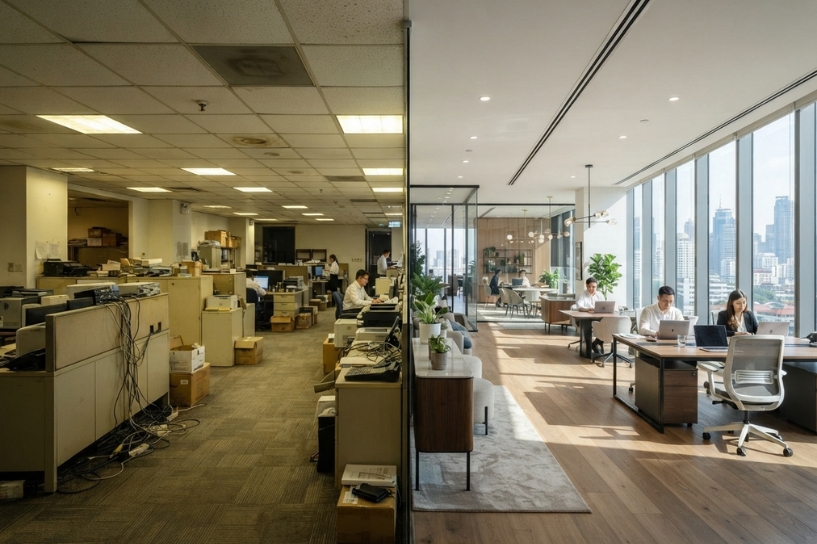
4. The Hidden Financial Impact of Lease Agreements
A commercial property with an attractive rental quotation does not always represent the most economical leasing opportunity.
Commercial lease agreements contain several financial conditions that businesses must review carefully before signing.
Some important factors include:
Security Deposit: The initial deposit can affect working capital, particularly for businesses leasing larger office spaces.
Lock-in Period: A long lock-in period may restrict a company’s ability to relocate if its operational requirements change.
Rental Escalation: Periodic increases in rent can affect long-term occupancy budgets.
Maintenance Charges: Common area maintenance and additional building charges may increase the overall monthly expense.
Exit Conditions: Early termination clauses and associated liabilities should be understood before entering into a lease.
Renewal Terms: Businesses should review renewal conditions to understand their future rental commitments.
These details are important because a commercial leasing decision usually involves a financial commitment extending beyond the initial months.
Reviewing the complete lease structure helps businesses understand the actual cost of occupancy and plan their budgets more accurately.
5. Employee Productivity and Retention Challenges
The impact of a poorly selected office location is not limited to property expenses. It can also influence employee experience and workplace efficiency.
Long commuting hours, inadequate facilities, uncomfortable layouts and limited access to everyday amenities can affect employee satisfaction.
For businesses that depend on collaboration, regular client interactions and team coordination, the workplace environment plays an important role.
An inconvenient office location may also make it harder to attract skilled professionals, particularly when employees have better-connected workplace options.
When evaluating a commercial office, businesses should consider the overall employee experience, including accessibility, parking, building facilities, security and the surrounding business environment.
An office should support the people working in it, not create additional difficulties for them.
6. Relocation Costs: The Expense of Making the Wrong Choice
One of the most significant hidden costs of choosing an unsuitable commercial property is the possibility of relocating earlier than planned.
Moving an office involves several expenses beyond shifting furniture and equipment.
These may include:
- Brokerage and property identification expenses.
- Transportation and shifting costs.
- New office interiors and fit-outs.
- IT infrastructure installation.
- Employee transition and adjustment.
- Legal documentation and administrative expenses.
- Potential liabilities under the existing lease agreement.
Relocation can also interrupt business activities and consume valuable management time.
For this reason, businesses should approach commercial property selection with a long-term perspective. Evaluating the property against current and future requirements can reduce the possibility of frequent office moves.
Visit https://onirpvt.com/ to explore ONIR’s commercial real estate services.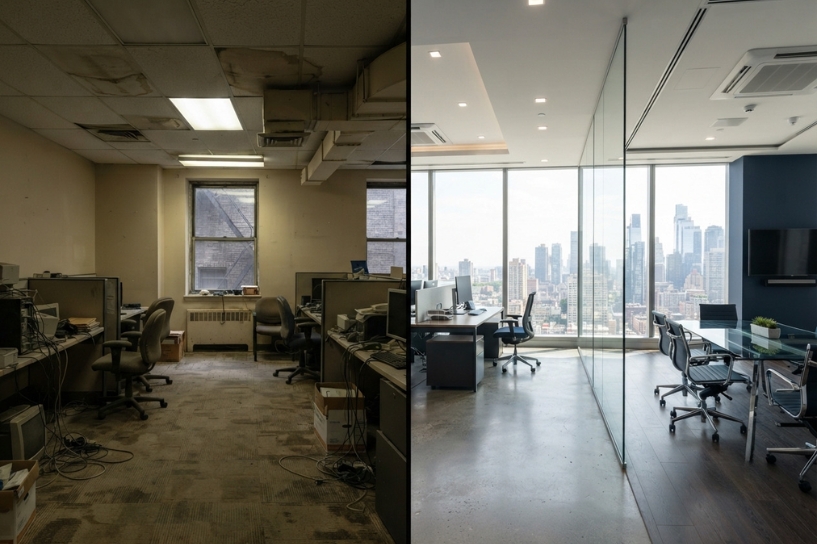
7. Why a Professional Commercial Leasing Strategy Matters
Selecting a commercial office should involve more than comparing property listings and rental quotations.
Businesses need to evaluate the relationship between location, infrastructure, occupancy costs and long-term operational requirements.
A structured commercial leasing strategy helps decision-makers compare properties based on their actual business needs.
Before finalising a property, companies should:
- Define their office space and location requirements.
- Establish a realistic occupancy budget.
- Compare properties across suitable business districts.
- Inspect the building and available infrastructure.
- Evaluate the complete lease agreement.
- Consider future expansion and relocation flexibility.
Working with a commercial real estate partner can help businesses understand available property opportunities, evaluate locations and approach leasing decisions with greater clarity.
8. Finding the Right Commercial Property with ONIR Real Estate
Choosing the right office space requires a clear understanding of business requirements and commercial property opportunities. ONIR Commercial Real Estate focuses on commercial property leasing, location strategy and advisory to help businesses identify suitable spaces for their operations.
Whether a company is establishing a new corporate office, relocating its existing workplace or exploring expansion opportunities, ONIR aims to align commercial property requirements with suitable location and occupancy options.
Its commercial real estate approach focuses on three key areas:
Commercial Leasing Solutions: Identifying commercial office spaces based on business requirements, preferred locations and occupancy objectives.
Location Strategy and Advisory: Helping businesses evaluate commercial locations by considering accessibility, surrounding infrastructure, business environment and suitability.
Long-Term Occupancy Alignment: Understanding present operational needs while considering future business requirements and occupancy planning.
With a focus on commercial real estate opportunities across Mumbai and Navi Mumbai, ONIR works towards helping businesses make informed property decisions.
To explore commercial property opportunities and leasing requirements, visit ONIR Commercial Real Estate.
Conclusion: Look Beyond Rent Before Choosing Your Next Office
The cost of a commercial office is not determined by its monthly rental value alone. Location, infrastructure, space utilisation, lease conditions, employee convenience and future relocation requirements all contribute to the overall cost of occupancy.
A property that appears affordable today may become expensive if it does not support the company’s operational needs.
Businesses should therefore evaluate commercial office spaces from a long-term perspective and focus on finding a property that balances cost, accessibility, infrastructure and business suitability.
With the right commercial leasing strategy and professional real estate guidance, businesses can reduce avoidable expenses and make more confident property decisions.
Planning to lease your next commercial office space in Mumbai or Navi Mumbai?
Connect with ONIR Real Estate to explore commercial property opportunities and find a space aligned with your business requirements.
Website: https://onirpvt.com/
Visit https://onirpvt.com/ to explore ONIR’s commercial real estate services.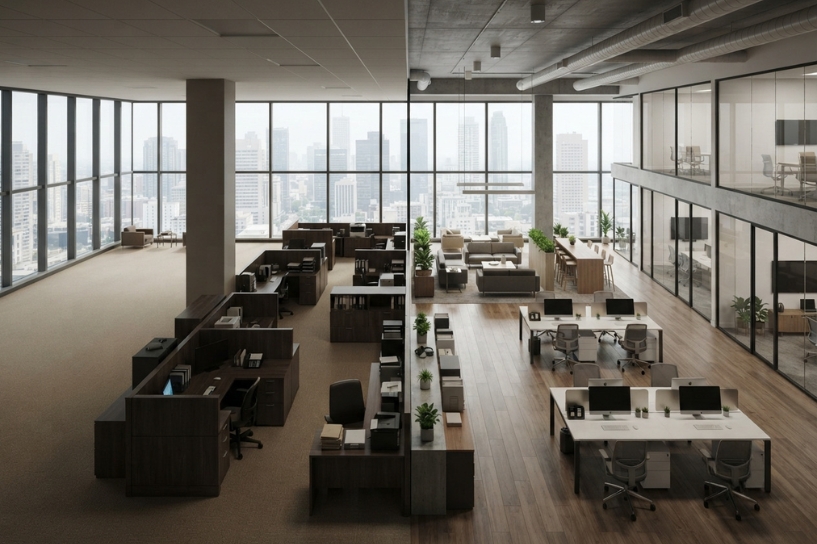
Frequently Asked Questions (FAQs)
1. What are the hidden costs of leasing commercial office space?
Hidden costs can include security deposits, maintenance charges, rental escalation, interior fit-outs, electrical upgrades, IT infrastructure, parking fees and relocation expenses. Businesses should evaluate the complete occupancy cost rather than considering only the monthly rent.
2. How do I choose the right commercial office space for my business?
Start by identifying your office size, employee strength, budget and preferred business location. Evaluate connectivity, building infrastructure, parking, maintenance facilities and lease conditions before finalising a property. Consider future expansion requirements as well.
3. What should businesses check before signing a commercial lease agreement?
Businesses should carefully review the rental amount, security deposit, lease duration, lock-in period, rental escalation, maintenance charges, renewal conditions and exit clauses. It is also important to inspect the property and understand the responsibilities of both the landlord and tenant.
4. Why is location important when leasing commercial office space?
Location influences employee commuting, client accessibility, business connectivity and the overall workplace experience. An office in a well-connected commercial district can offer better convenience and support business interactions.
5. Is carpet area or built-up area more important when leasing an office?
Carpet area represents the usable internal floor area, while built-up area generally includes the carpet area and a proportionate share of common areas. Businesses should compare both measurements to understand the actual usable space and evaluate rental costs accurately.
6. How can businesses reduce commercial office leasing costs?
Businesses can reduce leasing expenses by selecting an appropriate office size, comparing multiple locations, evaluating total occupancy costs, negotiating suitable lease terms and avoiding unnecessary fit-out expenses. Planning for future requirements can also help minimise relocation costs.
7. Which locations are suitable for commercial office leasing in Mumbai and Navi Mumbai?
Popular commercial locations include BKC, Nariman Point, Thane, Vashi, Seawoods and Turbhe. The right location depends on business requirements, employee accessibility, budget, connectivity and the nature of operations.
8. How can ONIR Real Estate help businesses with commercial leasing?
ONIR Commercial Real Estate focuses on commercial property leasing, location strategy and advisory. It helps businesses explore suitable commercial property opportunities based on their location preferences, space requirements and occupancy objectives across Mumbai and Navi Mumbai.

Join The Discussion