skip to content

Monsoon Maintenance Tips for Commercial Property Owners

The monsoon season brings a lot of relief from the heat. It also creates a lot of challenges for buildings and businesses. For property owners it is very important to have a plan in place to deal with these challenges. This is where monsoon maintenance tips for property owners come in. They help to keep people safe prevent problems and protect the value of the property.

Commercial properties have a lot of people coming and going. They use a lot of equipment and systems. This means that they need to be prepared for the monsoon season. Planned upkeep, regular inspections and professional commercial property maintenance are all very important. They help to make sure that everything runs smoothly even when it is raining a lot.

In this article we will look at some strategies that can help property owners get ready for the monsoon season. We will talk about how to keep buildings safe how to prevent problems and how to make sure that everything keeps running.

Why Monsoon Preparedness Matters in Commercial Property Maintenance

The monsoon season can have an impact on buildings and businesses. It can cause water to seep in roofs to leak and mold to grow. It can also cause hazards and other safety problems. If commercial property owners do not prepare for the monsoon season they can end up with a lot of problems and expenses.

For spaces it is very important to be prepared. If they are not they can lose productivity. Have to spend a lot of money on repairs. A proactive approach through maintenance can help to identify and fix problems before they become big issues. Regular property inspections can also help to find damage in roofs, basements and walls.

A planned maintenance schedule can help to reduce emergency repairs and extend the life of building systems. Businesses that invest in facility management services typically have problems during the monsoon season.

Monsoon Maintenance Tips for Commercial Property Owners: Key Action Areas

To get ready for the monsoon season commercial property owners need to focus on some areas. These areas are the vulnerable during heavy rains. By taking care of these areas property owners can help to keep their buildings safe and functional.

The roof is the line of defense against the rain. If it is not in condition it can leak and cause a lot of damage. Investing in waterproofing solutions can help to prevent this. Regular roof checks should be part of every building maintenance plan.

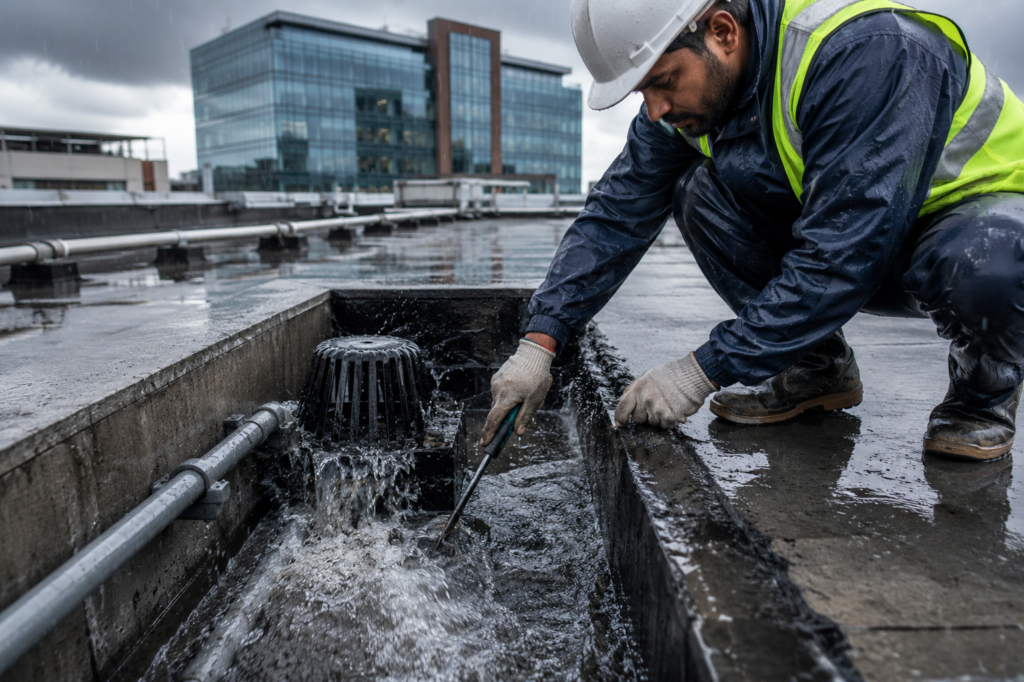
Drainage systems also need to be inspected before the monsoon season. If they are blocked or not working properly they can cause water to accumulate and damage the building. Effective drainage maintenance can help to prevent this.

Walls, windows and basements should also be checked for signs of seepage. If they are not mold can. Cause health problems. Electrical systems should also be inspected to make sure they are safe.

Here are some things to check:

The roof for cracks and spots

Stormwater drainage outlets to make sure they are working properly

Basement walls for signs of dampness or leakage

Electrical panels to make sure they are protected from moisture

Role of Facility Management in Seasonal Property Protection

Facility management services play a big role in helping commercial property owners get ready for the monsoon season. These services can help to manage all aspects of the building from the infrastructure to the hygiene.

Professional teams can conduct inspections monitor risk-prone areas and do repairs on time. This can help to reduce the burden on property owners and make sure that everything is safe. In commercial complexes facility management can also coordinate with vendors to do repairs and maintenance.

One of the advantages of facility management is that it can help to streamline operations. Of having to deal with multiple service providers businesses can have one point of contact. This can help to improve efficiency and make sure that everything is taken care of.

Preventive Measures for Long-Term Building Safety

One of the ways to reduce monsoon-related damage is to have a preventive maintenance strategy in place. This means identifying risks and fixing them before they become problems.

Regular property inspections can help to detect spots in the building. This can include checking the facades, water pipelines and drainage channels. Preventive actions can also help to reduce the need for emergency repairs, which can be expensive and time-consuming.

Waterproof coatings and sealants can help to protect the building from water damage. Regular cleaning of gutters and rooftop outlets can also help to make sure that water flows properly.

Businesses that adopt strategies can experience fewer disruptions, lower maintenance costs and improved safety during the monsoon season.

Why Monsoon Preparedness Matters in Commercial Property Maintenance

The monsoon season can have an impact on buildings and businesses. It can cause water to seep in roofs to leak and mold to grow. It can also cause hazards and other safety problems. If commercial property owners do not prepare for the monsoon season they can end up with a lot of problems and expenses.

For spaces it is very important to be prepared. If they are not they can lose productivity. Have to spend a lot of money on repairs. A proactive approach through maintenance can help to identify and fix problems before they become big issues. Regular property inspections can also help to find damage in roofs, basements and walls.

A planned maintenance schedule can help to reduce emergency repairs and extend the life of building systems. Businesses that invest in facility management services typically have problems during the monsoon season.

Monsoon Maintenance Tips for Commercial Property Owners: Key Action Areas

To get ready for the monsoon season commercial property owners need to focus on some areas. These areas are the vulnerable during heavy rains. By taking care of these areas property owners can help to keep their buildings safe and functional.

The roof is the line of defense against the rain. If it is not in condition it can leak and cause a lot of damage. Investing in waterproofing solutions can help to prevent this. Regular roof checks should be part of every building maintenance plan.

Drainage systems also need to be inspected before the monsoon season. If they are blocked or not working properly they can cause water to accumulate and damage the building. Effective drainage maintenance can help to prevent this.

Walls, windows and basements should also be checked for signs of seepage. If they are not mold can. Cause health problems. Electrical systems should also be inspected to make sure they are safe.

Here are some things to check:

The roof for cracks and spots

Stormwater drainage outlets to make sure they are working properly

Basement walls for signs of dampness or leakage

Electrical panels to make sure they are protected from moisture

Role of Facility Management in Seasonal Property Protection

Facility management services play a big role in helping commercial property owners get ready for the monsoon season. These services can help to manage all aspects of the building from the infrastructure to the hygiene.

Professional teams can conduct inspections monitor risk-prone areas and do repairs on time. This can help to reduce the burden on property owners and make sure that everything is safe. In commercial complexes facility management can also coordinate with vendors to do repairs and maintenance.

One of the advantages of facility management is that it can help to streamline operations. Of having to deal with multiple service providers businesses can have one point of contact. This can help to improve efficiency and make sure that everything is taken care of.
Building Resilience Through Professional Maintenance Support

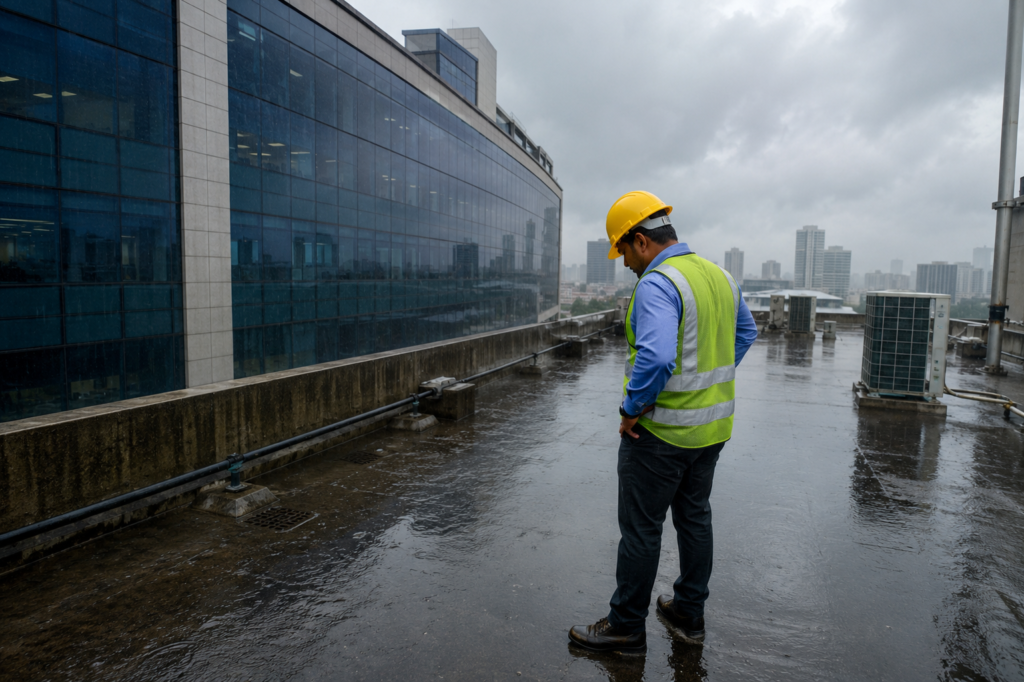
Commercial property owners rely on professional building maintenance services to manage seasonal challenges. These services can provide expertise in handling infrastructure issues and ensure that maintenance tasks are carried out systematically.

From plumbing repairs to inspections professional teams can bring technical knowledge and advanced tools to identify risks early. This can help to improve building resilience and reduce long-term operational costs.

A managed property can perform better during the monsoon season and retain higher market value. Regular upkeep can also enhance tenant satisfaction. Ensure uninterrupted business operations even during heavy rainfall.

Conclusion

Monsoon maintenance tips for property owners are very important for long-term protection, safety and efficiency. By investing in commercial property maintenance, preventive maintenance and timely property inspections businesses can reduce monsoon-related risks.

By prioritizing waterproofing solutions, drainage maintenance and facility management services commercial buildings can withstand rains without compromising operations or safety.

Ultimately proactive care can help to keep properties functional and resilient throughout the rainy season and beyond.


FAQs

  1. Why is monsoon maintenance important for properties?
    Monsoon maintenance helps to prevent water damage, structural issues and operational disruptions caused by heavy rainfall and moisture exposure.
  2. How often should property inspections be done during the monsoon season?
    Ideally inspections should be done before the monsoon season starts and then periodically during the season after heavy rainfall.
  3. What are the common monsoon-related building issues?
    Common issues include leakage, seepage, clogged drainage, electrical hazards and dampness, in walls and basements.
  4. How does waterproofing help buildings?
    Waterproofing solutions protect roofs, walls and basements from water penetration reducing term structural damage and maintenance costs.
  5. Can facility management services help during monsoon emergencies?
    Yes facility management services can provide response, preventive checks and coordinated repairs to handle monsoon-related emergencies efficiently.

Compare listings

Compare